Carus Animal Health Highlights Innovation and Research Success at VOACON 2026
Published Tuesday, 26th May 2026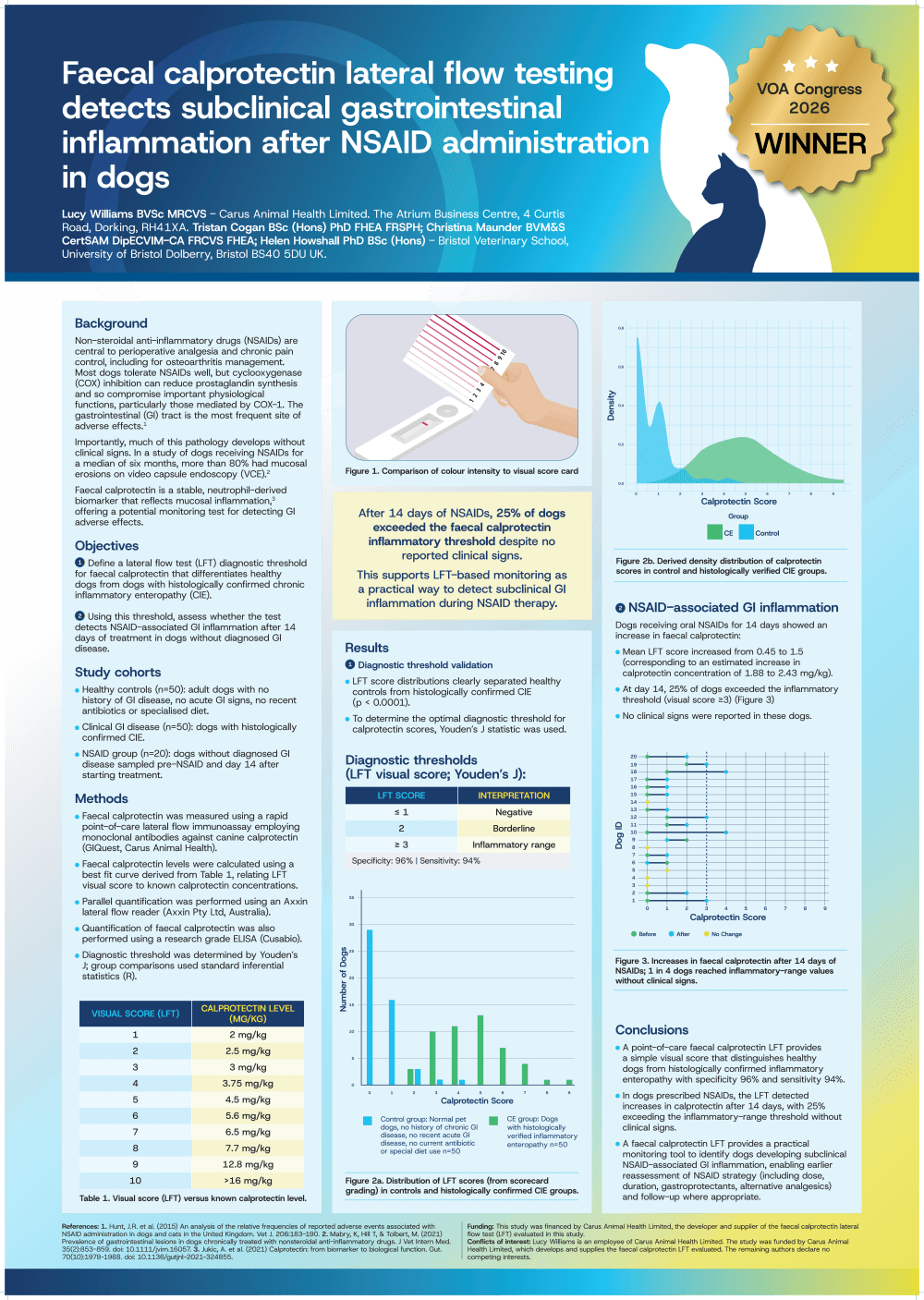 Carus Animal Health delivered a strong and well-rounded presence at VOACON 2026, combining exhibition engagement, clinical education, and standout research recognition.
Strong Engagement on the Exhibition Stand
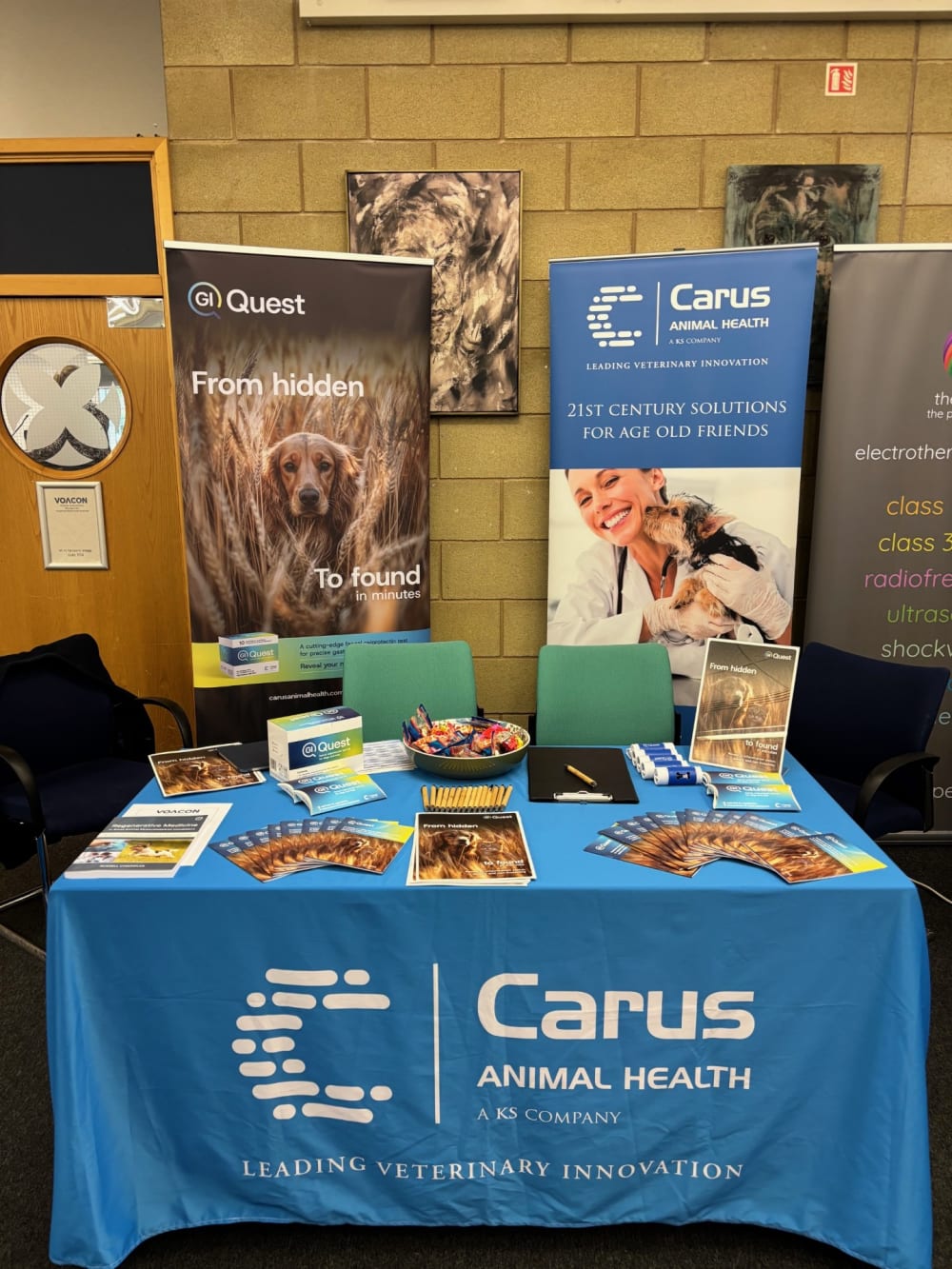
The Carus stand attracted consistent interest from veterinary professionals keen to explore GIQuest, a faecal calprotectin test designed to support the assessment of gastrointestinal inflammation in practice.
Discussions throughout the event focused on how accessible, evidence-based diagnostics can support more confident clinical decision-making, particularly in complex or unclear cases. The team also gathered valuable insights from clinicians on real-world challenges and opportunities in gastrointestinal monitoring.
Clinical Insight
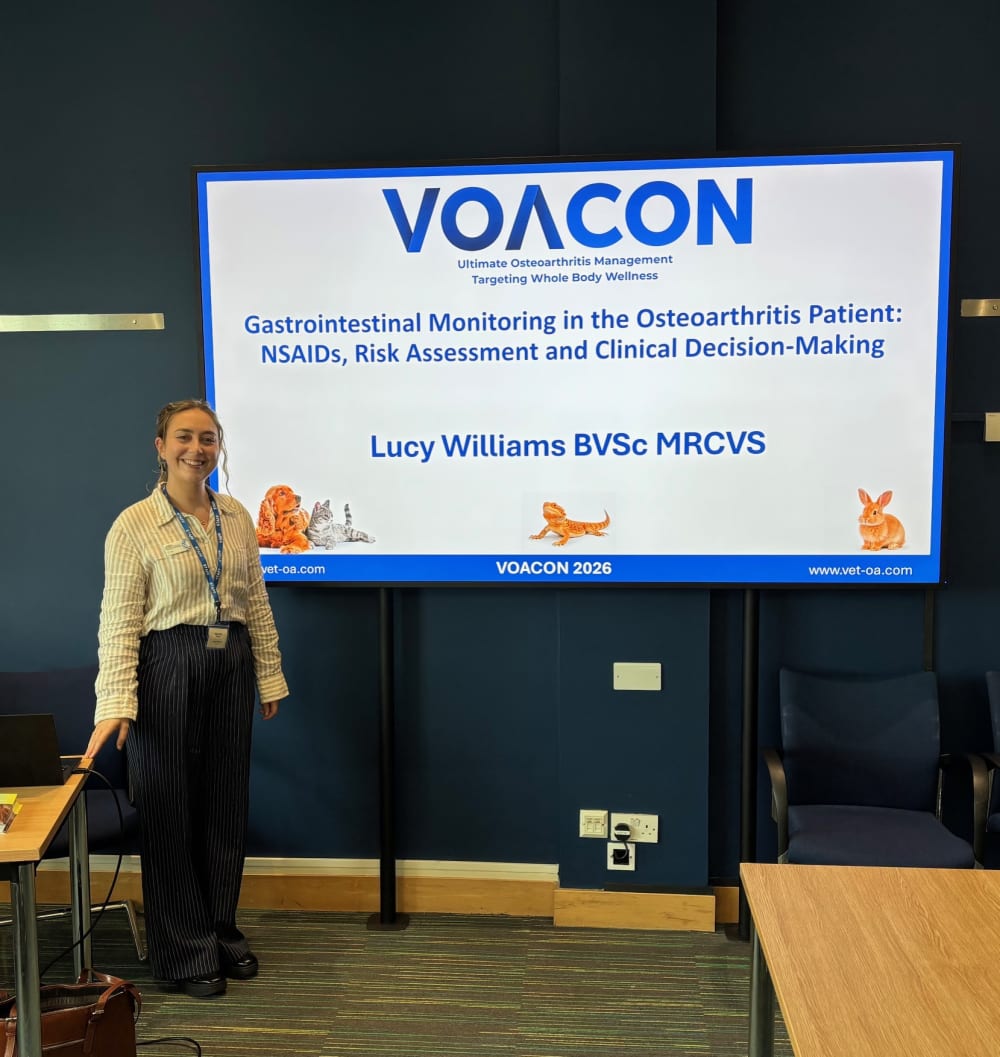
A key highlight of the scientific programme was a talk from Carus’ Marketing and Veterinary Technical Services Manager, Lucy Williams MRCVS, titled “Gastrointestinal Monitoring in the Osteoarthritis Patient: NSAIDs, Risk Assessment and Clinical Decision Making.”
The session explored how faecal calprotectin can be used alongside clinical risk assessment to better monitor gastrointestinal health in patients receiving NSAIDs. By combining current evidence with practical clinical context, the talk provided attendees with clear, actionable insights into integrating this non-invasive biomarker into everyday workflows.
Poster Competition Win in a Competitive Field
VOACON 2026 showcased a wide breadth of high-quality research, with a particularly strong poster competition highlighting innovative work from across the veterinary field.
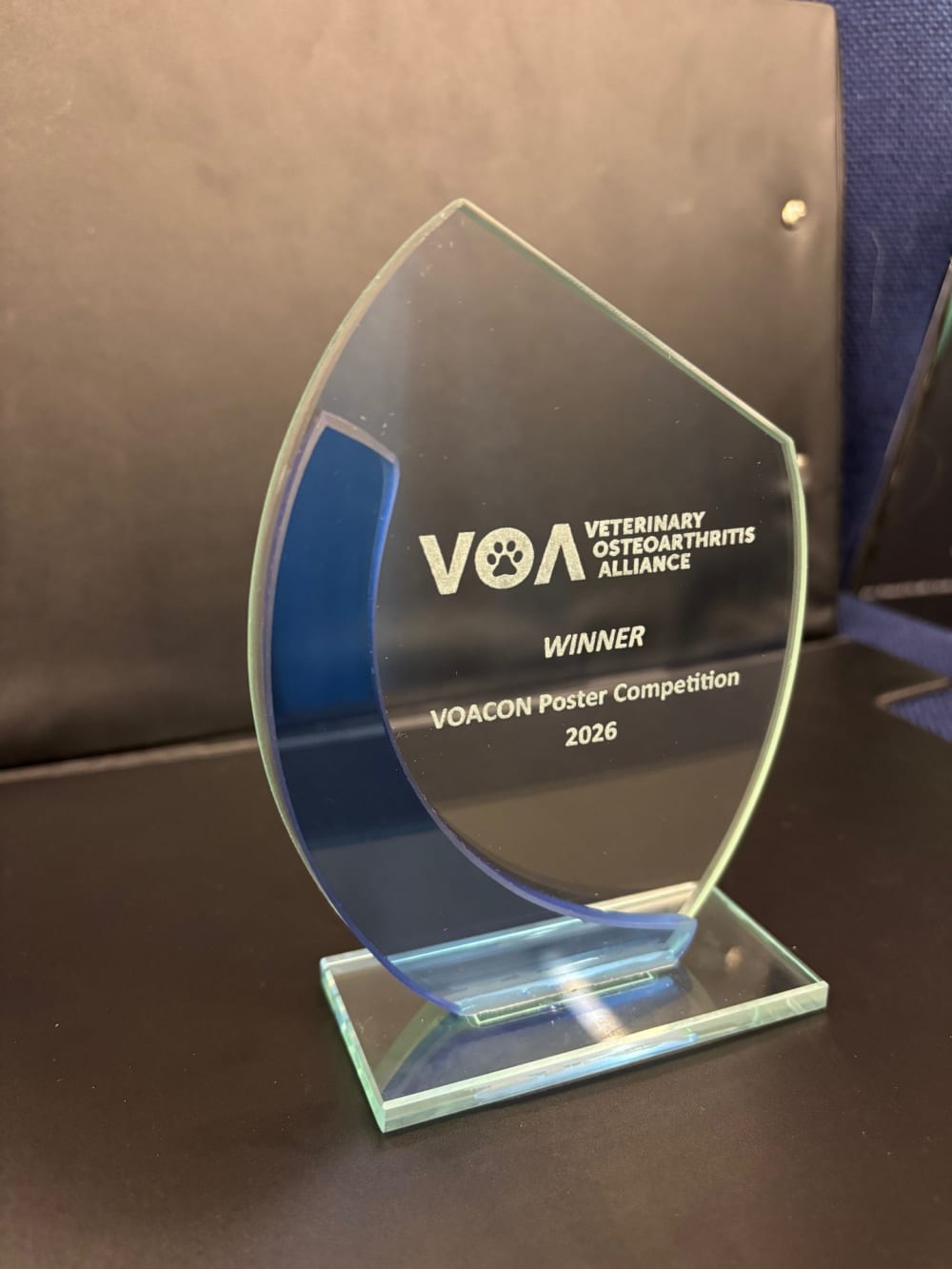
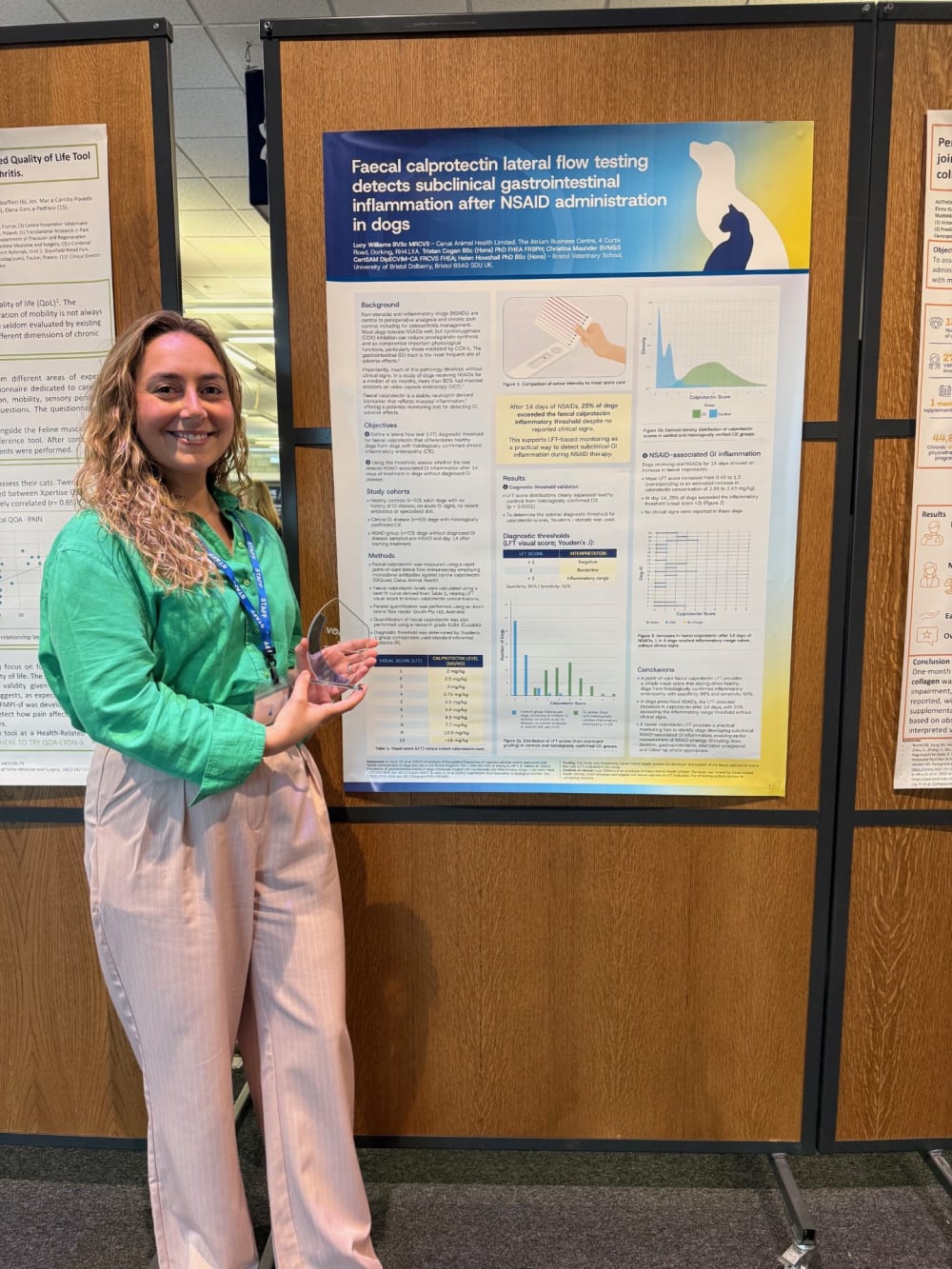
Against this competitive backdrop, Lucy Williams and Carus -working in collaboration with the University of Bristol- was proud to be awarded first place for its poster investigating the impact of NSAIDs on faecal calprotectin levels.
The winning work was recognised for both its scientific rigour and its clear clinical relevance, highlighting important considerations when interpreting biomarker results in patients receiving commonly used therapies. With so many high-calibre submissions on display, the award represents a significant achievement and reflects the strength of the collaborative research.
Driving Evidence-Based Diagnostics Forward
Together, these elements - busy exhibition engagement, a clinically focused talk, and success in a competitive research field - demonstrate Carus’ continued commitment to advancing evidence-based diagnostics while supporting veterinary teams with practical, clinically meaningful tools.